

Understanding Classroom 30x Concept
The Classroom 30x concept has emerged as a transformative educational model that addresses the dynamic needs of modern learners. Originating from a growing recognition of the limitations within traditional teaching methods, Classroom 30x aims to create learning environments that foster active engagement, collaboration, and the effective use of technology. This innovative approach is particularly relevant in today’s educational landscape, where the need for adaptable, student-centered learning experiences is more pronounced than ever.
At its core, Classroom 30x embodies a shift from passive knowledge absorption to an active learning paradigm. This model encourages students to engage directly with the material through discussions, projects, and hands-on activities, promoting a sense of ownership in their educational journey. In contrast to traditional classrooms, where the teacher primarily delivers information and students passively receive it, Classroom 30x emphasizes interactions that allow learners to explore, experiment, and collaborate with their peers. As a result, this approach not only enhances understanding but also develops critical thinking, problem-solving, and social skills.
Furthermore, the integration of technology plays a pivotal role in the Classroom 30x framework. By utilizing digital tools and resources, educators can enhance the learning experience, providing access to a wealth of information and facilitating collaborative projects regardless of geographical barriers. This technology-centric focus ensures that students are not just consumers of information but also contributors to knowledge creation. In this context, the Classroom 30x model positions itself as a significant advancement in educational practices, contrasting sharply with traditional methods that may limit student engagement and creativity.
Through its emphasis on active participation and the thoughtful incorporation of technology, Classroom 30x is not merely a trend but a necessary evolution in education. It reflects the pressing need for classrooms to evolve in order to prepare students for the complexities of the 21st century, ultimately enriching their academic and social experiences.
Key Features of Classroom 30x
Classroom 30x represents a transformative educational approach that focuses on enhancing student engagement and learning outcomes through several key features. The first notable aspect is the implementation of innovative teaching methods. Traditional models often rely on passive learning, where students absorb information without direct interaction. In contrast, Classroom 30x emphasizes active learning techniques such as project-based learning, collaborative group work, and inquiry-based activities, promoting a more involved educational experience that encourages critical thinking and creativity.
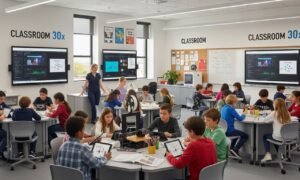
Another significant feature of Classroom 30x is its flexible seating arrangements. This design allows for a variety of seating options that cater to different learning styles and needs. Instead of rigid desk-and-chair configurations, classrooms are equipped with movable furniture and diverse seating choices, enabling students to choose their preferred learning space. This flexibility not only fosters comfort but also encourages collaboration and communication among peers, which is essential for the modern learning environment.
The use of digital tools is also integral to the Classroom 30x experience. Technology plays a crucial role by facilitating access to a wealth of resources and interactive platforms. For instance, schools that have integrated digital tools into their curriculum enable students to engage in virtual simulations, access online libraries, and participate in global communications, thereby enriching their learning experience. This aspect not only enhances digital literacy but also prepares students for the technology-driven world they will encounter after graduation.
Personalized learning paths are another cornerstone of the Classroom 30x framework. By recognizing that each student learns at their own pace, educators can tailor instruction and resources to meet individual needs. Schools implementing this feature often utilize data-driven assessments to provide customized content, allowing students to progress through their educational journey in a manner that aligns with their personal learning objectives.
In essence, the amalgamation of these key features—innovative teaching methods, flexible seating, digital tools, and personalized learning paths—culminates in a vibrant and dynamic educational environment, exemplified by various progressive schools that have adopted the Classroom 30x model.
Benefits of Implementing Classroom 30x
The Classroom 30x model presents numerous advantages that can significantly enhance the educational experience for both students and educators. One primary benefit is the improvement in student engagement. Traditional teaching methods often struggle to captivate student interest; however, the Classroom 30x approach emphasizes active learning and collaborative activities that encourage participation. Engaging students in discussions, group work, and hands-on projects fosters a more dynamic and interactive classroom environment, ultimately leading to increased motivation and enthusiasm for learning.
Another notable benefit of the Classroom 30x strategy is the better retention of information among students. This model promotes a deeper understanding of subject matter by integrating various teaching methods tailored to accommodate different learning styles. For instance, visual aids, auditory resources, and kinesthetic activities can help solidify concepts in students’ minds, making it easier to recall information during assessments and real-life applications. By adopting this inclusive approach, educators can help learners retain knowledge more effectively compared to conventional methods.
Furthermore, the Classroom 30x model plays a crucial role in the development of critical thinking skills. By encouraging students to analyze, evaluate, and create rather than merely memorize facts, the model equips them with the necessary tools to navigate complex problems. This focus on higher-order thinking skills prepares students for challenges in the real world and fosters a sense of independence and innovation.
In addition to the advantages for students, teachers also benefit from the Classroom 30x model. This approach facilitates a more streamlined teaching process and creates opportunities for professional growth and collaboration among educators. In turn, a supportive and conducive learning environment emerges, creating a positive feedback loop that empowers both teachers and learners alike. Through the implementation of the Classroom 30x model, educational settings transform into vibrant hubs of creativity and discovery.
Future of Education: Classroom 30x and Beyond
The Classroom 30x framework represents a significant shift in educational practices, emphasizing a harmonious blend of technology, collaboration, and personalized learning. As we look to the future, the implications of this model on education are profound. Schools across the globe are increasingly aware of the necessity to adapt to this innovative approach, yet several challenges must be addressed for successful implementation. These may include resistance to change among staff, the need for professional development, and the equitable distribution of resources.
One of the primary challenges lies in overcoming traditional mindsets regarding teaching and learning. Educators accustomed to conventional methods may find it difficult to embrace the dynamic and flexible approaches that Classroom 30x advocates. To mitigate this resistance, a comprehensive training program is essential. Providing teachers with substantial professional development opportunities that focus on the integration of digital tools, collaborative teaching strategies, and student-centered learning can promote comfort and proficiency within the Classroom 30x model.
Moreover, equitable resource allocation is crucial as disparities in access to technology can hinder the effectiveness of the Classroom 30x framework. Schools must seek partnerships with community organizations and leverage grants to ensure all students have the tools needed to thrive in this new environment. Innovative funding strategies, such as crowd-sourcing or public-private partnerships, could be explored to enhance resources.
Looking beyond Classroom 30x, the future of education may witness further advancements such as adaptive learning technologies that cater to individual student needs and preferences. Additionally, as remote learning capabilities improve, there will likely be an increasing trend towards hybrid educational models that merge in-person and online instruction. Schools will need to remain agile, continually refining their approaches to accommodate emerging educational trends while staying focused on the fundamental principles of the Classroom 30x experience, ensuring a future where diverse learning environments cater effectively to all types of learners.